
Introduction
In today’s digital age, our online presence has become increasingly significant. Social media platforms like Instagram, WhatsApp, TikTok, and Facebook have transformed how we connect, but they’ve also become breeding grounds for violence and harassment.
As Maria Ressa powerfully states:
“What happens on social media doesn’t stay on social media. Online violence is real-world violence.”
Online attacks are escalating, making digital safety more crucial than ever. This post will explore practical strategies to create a safer internet for everyone.
Safety Tips
Protect your personal information:

Your privacy settings should be just that; private.
- Do not save your passwords onto browsers.
- Do not note the passwords down on stickers or notes.
Yes, I understand that you have a lot of passwords. What you should use instead are password managers. Password managers are much more secure than the notebook containing all your vital passwords.
Cyber Trolls:
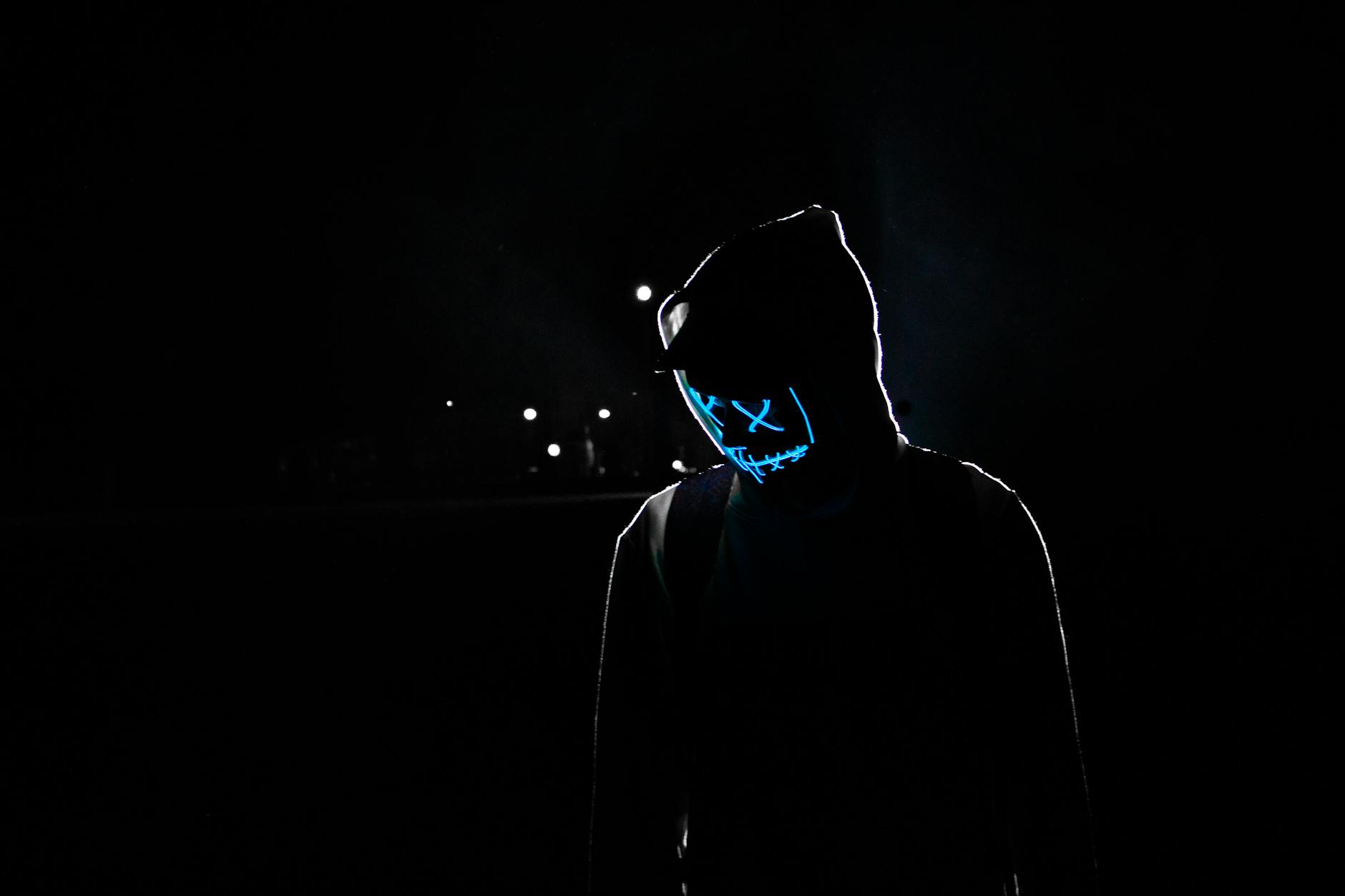
Online bullying mirrors real-world harassment. Cyberbullies provoke confrontations through negative comments and targeted attacks. However, you don’t need to engage with their negativity.
These online attacks can seriously impact mental health, especially for young people. Some cyberbullying incidents have even led to self-harm or violence. The best response is to ignore and block harmful interactions.
Parents should also actively monitor their children’s online social connections and be aware of potential digital threats.
Brand impersonation:

Cyber attackers often create fake online profiles impersonating legitimate brands, aiming to steal money and damage company reputations.
To protect yourself:
- Always verify the authenticity of brands and online personalities
- Maintain a healthy skepticism about online interactions
Remember: It’s better to be cautious than to become a victim of a scam.
Copyrights:

Copyright laws apply online just as they do in the physical world. Before using someone’s logo, image, or content, you must:
- Ask for permission
- Provide proper attribution
- Respect intellectual property rights
With the vast amount of online content created daily, it’s crucial to recognize and credit the original creators. Always give credit where it’s due.
Like Jesus famously said
“Give to Caesar what belongs to Caesar and God what belongs to God.”
Conclusion
Apart from these four tips I’m eager to hear your ideas. What strategies do you use to stay safe online? Share your recommendations in the comments, and let’s work together to make the internet a safer space for everyone.
Thank you.
 Eli Agbenu
Leave a comment